
Hyperbaric Oxygen Therapy (HBOT) Chamber Buying Guide
What to Know Before Buying a Hyperbaric Oxygen Therapy (HBOT) Chamber
Hyperbaric oxygen therapy (HBOT) chambers use a controlled pressurized environment with oxygen delivery to support structured wellness, recovery, and professional-use routines. Choosing the right chamber depends on whether the buyer needs a portable 1.5 ATA softshell system or a more permanent 2.0 ATA hard-shell system, along with pressure range, body position, chamber size, oxygen flow, control system design, safety features, electrical requirements, delivery planning, and long-term fit.
The first buying decision is usually chamber class. A 1.5 ATA softshell chamber is generally better suited for buyers who want a more flexible home-use chamber with simplified setup, standard household power compatibility, and a relocatable design compared with rigid chamber systems. A 2.0 ATA hard-shell chamber is a higher-pressure, rigid-structure platform better suited for advanced home, professional, wellness, recovery, clinical, or performance-focused environments where installation planning, electrical capacity, chamber weight, and long-term placement are already part of the purchase decision.
The second buying decision is body position. Some buyers prefer a sit-up or recline-capable chamber that feels more upright and accessible. Others prefer a lay-down chamber that supports a full-body horizontal position during use. The right choice depends on comfort, room layout, enclosure sensitivity, body size, access needs, and whether the chamber will be used in a home or professional environment.
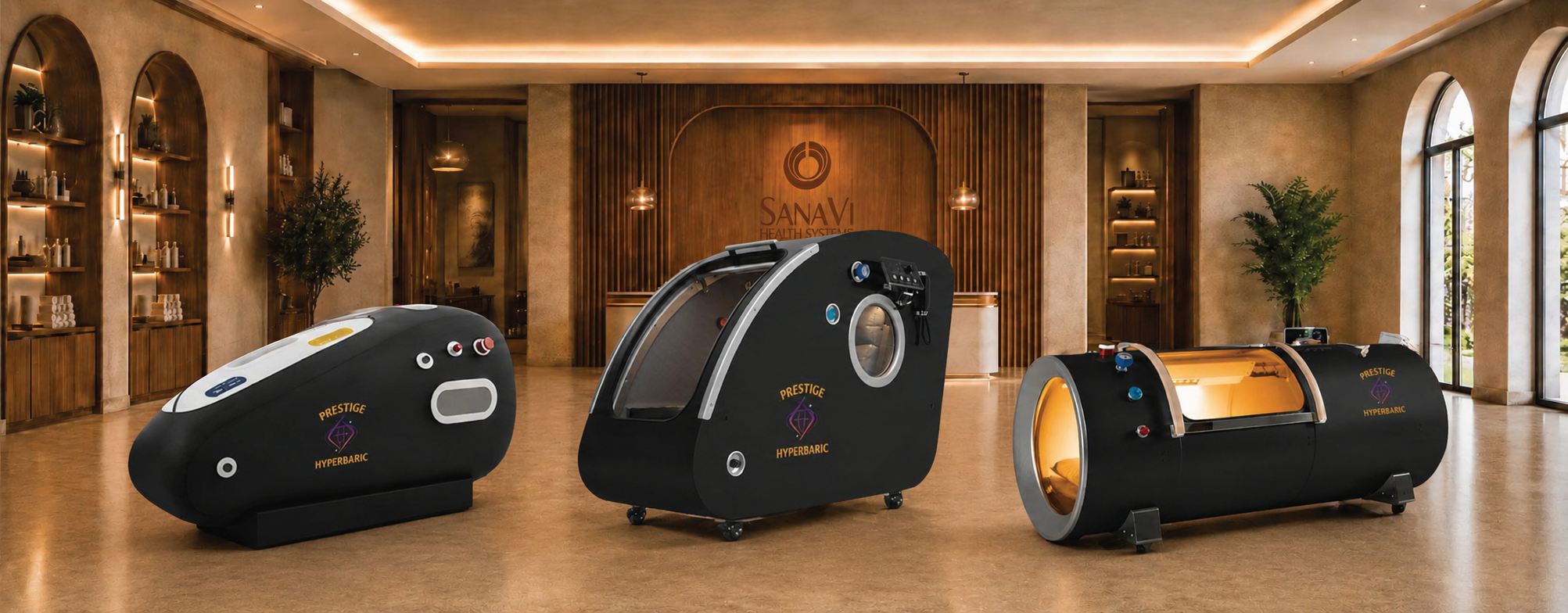
SanaVi’s HBOT chamber lineup can generally be understood in two main groups:
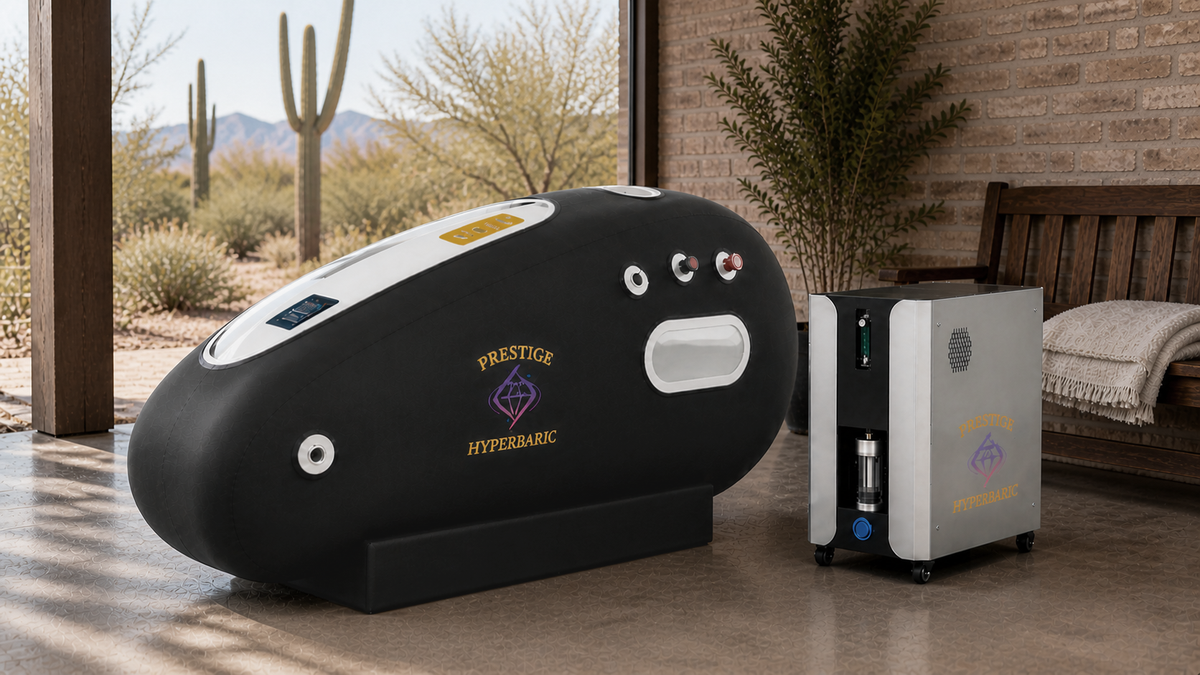
Portable 1.5 ATA softshell chambers: 1.5 ATA Sit-Up Softshell Compact Hyperbaric Chamber, 1.5 ATA Sit-Up Softshell Full-Length Hyperbaric Chamber, and 1.5 ATA Lay-Down Softshell 36" Diameter Hyperbaric Chamber.
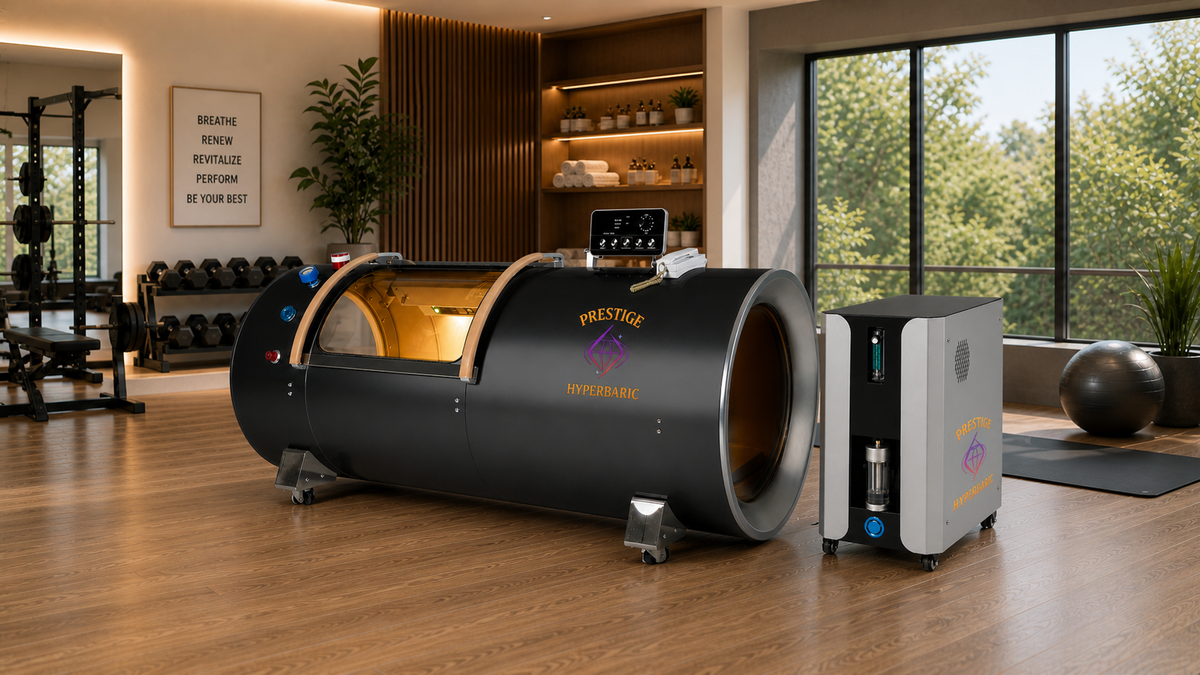
2.0 ATA hard-shell chambers: 2.0 ATA Hard Shell Sit-Up Hyperbaric Chamber for Professional and Home Use and 2.0 ATA Hard Shell Lay-Down Hyperbaric Chamber for Professional and Home Use.
The best choice depends on whether the buyer prioritizes portability, pressure capability, chamber rigidity, sit-up or lay-down positioning, oxygen delivery configuration, interior space, installation requirements, professional workflow, and long-term ownership confidence.
Core Buying Considerations
1. Softshell or Hard-Shell Hyperbaric Chamber
The first major buying decision is whether a softshell or hard-shell hyperbaric chamber is the better fit.
The 1.5 ATA softshell chambers are designed for buyers who want a more flexible and home-friendly chamber format. These systems use reinforced softshell construction, an internal support frame, clear-view windows, internal and external pressure gauges, automatic and emergency relief valves, PM2.5 air purification, integrated cooling and dehumidification, and a coordinated All-in-One Control System.
The softshell chamber group includes three body-position options. The compact sit-up model is the shortest and most space-efficient option. The full-length sit-up model gives buyers more interior length while preserving an upright or reclined chamber experience. The 36" diameter lay-down softshell model is the horizontal softshell choice for buyers who prefer full-body lay-down positioning.
The 2.0 ATA hard-shell chambers are built around reinforced stainless steel construction, rigid chamber stability, internal and external controls, communication systems, integrated monitoring, and higher-pressure operation. These systems are heavier, more permanent, and more installation-sensitive than the softshell models.
The hard-shell chamber group includes a sit-up model and a lay-down model. The sit-up hard-shell chamber includes a premium reclining chair and supports upright or reclined positioning. The lay-down hard-shell chamber supports full-body horizontal positioning in a rigid chamber format.
A softshell chamber is generally the better fit for buyers who want flexible placement and a more accessible home-use setup. A hard-shell chamber is generally the better fit for buyers who want a higher-pressure, more permanent, rigid-structure system for advanced home or professional use.
2. 1.5 ATA or 2.0 ATA Pressure Capability
Pressure capability is one of the most important differences between the softshell and hard-shell chamber groups.
The softshell models operate up to 1.5 ATA. This pressure level is commonly used in home-oriented softshell chamber systems because it provides a controlled pressurized environment while keeping the system more practical for residential placement, standard outlet use, and simplified setup compared with higher-pressure hard-shell systems.
The 2.0 ATA hard-shell chambers operate across an adjustable pressure range of approximately 1.3 to 2.0 ATA. This gives buyers a broader pressure range and a higher maximum pressure than the 1.5 ATA softshell systems. The adjustable range can support more progressive session structures within the system’s intended use framework.
Buyers should not blur these two categories. A 1.5 ATA softshell chamber and a 2.0 ATA hard-shell chamber are not simply different shapes of the same product. They differ in structure, pressure capability, installation planning, weight, electrical needs, and intended ownership environment.
For most buyers, the question is whether a practical 1.5 ATA softshell chamber is enough, or whether the buyer specifically wants the higher-pressure capability and rigid construction of a 2.0 ATA hard-shell system.
3. Sit-Up, Recline-Capable, or Lay-Down Positioning
Body position affects comfort, access, room fit, and the overall feel of each session.
The compact sit-up softshell chamber is designed for upright or reclined positioning in a shorter chamber body. This makes it a strong fit for buyers who want a space-efficient softshell chamber and prefer not to use a full-length horizontal system.
The full-length sit-up softshell chamber preserves sit-up and recline-capable use while adding more interior length. This can be a better fit for buyers who like the accessibility of a sit-up format but want more room than the compact version provides.
The 36" diameter lay-down softshell chamber is the full-body horizontal option in the softshell group. It is better suited for buyers who prefer lying down during sessions and want a wider softshell chamber experience.
The 2.0 ATA hard-shell sit-up chamber is designed around seated or reclined use and includes a premium reclining chair. This configuration can feel more open and accessible for users who prefer an upright chamber environment.
The 2.0 ATA hard-shell lay-down chamber is the rigid horizontal option. It is better suited for buyers who prefer a full-body lay-down experience in a hard-shell design.
Buyers should choose positioning based on comfort, mobility, interior feel, session length, room layout, and whether the chamber will be used primarily by one person at home or by multiple users in a professional environment.
4. All-in-One Control System, Oxygen Flow, and Dehumidification
The All-in-One Control System is one of the most important architecture points in this HBOT lineup.
Rather than separating the operating components into a more scattered multi-device arrangement, the All-in-One Control System combines air compression, oxygen concentration, and dehumidification into one coordinated platform. In the hard-shell systems, the All-in-One Control System also supports cooling and broader environmental management functions.
For the softshell chambers, the All-in-One Control System includes the air compressor, oxygen concentrator, and dehumidification components. This supports chamber pressurization, oxygen delivery, and internal comfort management from one primary operating unit.
For the hard-shell chambers, the All-in-One Control System integrates air compression, oxygen concentration, cooling, dehumidification, and environmental management. This is especially important in the 2.0 ATA chamber category because buyers are planning around a more advanced chamber environment and a more permanent installation.
The softshell and hard-shell systems list adjustable oxygen flow from 1–10 LPM, with the 10 LPM oxygen delivery setup standard and 20 LPM upgrade options available where applicable. Oxygen flow should be compared by exact model and configuration, especially when optional upgrades are being considered.
Buyers should treat the All-in-One Control System as a major ownership advantage because it simplifies the operating architecture, reduces scattered setup complexity, and helps keep compression, oxygen delivery, cooling or dehumidification, and air management coordinated through one system platform.
5. Space, Weight, Electrical Requirements, and Installation Planning
Space and installation planning are very different between softshell and hard-shell chambers.
The softshell chambers are portable relative to hard-shell systems, but they should not be treated as casual carry-around products. The chamber bodies are lighter than hard-shell chambers, but the All-in-One Control System is substantial, weighing approximately 176 lb on the softshell configuration. Buyers should plan for the chamber, the control system, airflow clearance, tubing, access space, and a clean, dry, climate-controlled indoor environment.
The softshell chambers use standard household outlet compatibility and plug-and-play style operation, making them easier to place from an electrical standpoint than the hard-shell systems.
The hard-shell chambers require more deliberate planning. The 2.0 ATA sit-up hard-shell chamber measures approximately 79 in long × 34 in wide × 60 in high and weighs approximately 1,300–2,000 lb depending on configuration. The 2.0 ATA lay-down hard-shell chamber has an exterior footprint of approximately 90 in long × 48 in wide × 59 in high and weighs approximately 800 lb depending on configuration.
The hard-shell All-in-One Control System measures approximately 27.56 in long × 13.78 in wide × 29.53 in high and should be planned as part of the total system footprint.
The hard-shell systems require 110V AC power and a 20A dedicated outlet. This makes electrical planning a real purchase consideration before ordering, especially for home buyers who may need to confirm outlet placement, circuit capacity, room access, and final chamber positioning.
For all HBOT chambers, buyers should confirm room size, doorways, hallway turns, flooring, electrical access, climate control, delivery access, and final placement before purchase.
6. Safety Systems, Monitoring, Visibility, and User Control
Safety, visibility, and control access matter because HBOT chambers operate in a pressurized environment.
The softshell chamber systems include dual-access pressure control valves, internal and external pressure gauges, automatic and emergency relief valves, multi-valve pressure control architecture, power-failure depressurization, reinforced softshell construction, clear-view windows, and high-strength zipper closure systems.
The hard-shell chambers add a more advanced rigid-chamber safety architecture. These systems include internal and external control panels, dual digital display systems, in/out communication, pressure monitoring, temperature monitoring, humidity monitoring, oxygen monitoring, emergency pressure release, automatic depressurization in the event of power interruption, smart door safety sensors, and pressure-control systems.
The hard-shell chamber construction also includes reinforced stainless steel structure and aviation-grade polycarbonate viewing panels. This helps maintain chamber shape during pressurized operation and provides visibility inside the chamber.
For buyers, the question is not only whether the system reaches a certain ATA pressure. It is whether the chamber provides a controlled, visible, monitorable, and user-accessible environment that supports confident use over time.
7. Warranty, Delivery, White Glove Setup, and Long-Term Ownership
HBOT chambers are significant home or professional equipment purchases, so warranty, delivery, setup, and support should be part of the buying decision.
The softshell chamber pages list curbside delivery, White Glove delivery availability, and professional installation options. These options can be especially helpful because even though the softshell chambers are more flexible than hard-shell systems, the All-in-One Control System is heavy enough that placement and handling still matter.
The hard-shell chambers are large freight items and require much more deliberate delivery planning. Customers should confirm fit, access, placement, electrical readiness, room layout, and final delivery conditions before ordering. White Glove setup or professional installation may be especially valuable for the hard-shell systems because of chamber weight, rigid structure, control system placement, and the need for careful indoor positioning.
The hard-shell chambers list 3-year residential limited warranty coverage and 1-year commercial limited warranty coverage, with extended options available. Buyers should review the warranty details on the exact product page and confirm commercial or residential use classification before purchase.
Long-term ownership should also include filter care, valve awareness, tubing condition, zipper or door operation, control system ventilation, user training, safety documentation, and manufacturer instructions.
For SanaVi customers, the best fit is a buyer who wants clear product education, accurate system comparison, and careful pre-purchase planning before choosing a softshell or hard-shell hyperbaric chamber.
Common Questions Before Choosing a Hyperbaric Oxygen Therapy (HBOT) Chamber
What is the difference between a softshell and hard-shell hyperbaric chamber?
A softshell hyperbaric chamber uses reinforced flexible chamber construction and is generally designed for more practical home placement, simplified setup, and operation up to 1.5 ATA. A hard-shell hyperbaric chamber uses rigid reinforced construction, supports higher-pressure operation up to 2.0 ATA, and requires more deliberate installation planning, electrical readiness, and placement support.
Should I choose a 1.5 ATA or 2.0 ATA chamber?
Choose a 1.5 ATA chamber if you want a more flexible softshell system with home-friendly placement and standard household outlet compatibility. Choose a 2.0 ATA hard-shell chamber if you want a rigid, higher-pressure system with adjustable 1.3–2.0 ATA operation, more advanced monitoring, and a more permanent home or professional installation.
Is a sit-up or lay-down hyperbaric chamber better?
A sit-up or recline-capable chamber may be better for buyers who want easier entry, a more upright interior feel, or seated comfort during longer sessions. A lay-down chamber may be better for buyers who prefer full-body horizontal positioning. The right choice depends on comfort preference, room layout, mobility, session style, and chamber size.
What does the All-in-One Control System do?
The All-in-One Control System combines key operating components into one coordinated platform. In the softshell systems, it integrates the air compressor, oxygen concentrator, and dehumidification components. In the hard-shell systems, it also supports cooling and environmental management. This helps simplify operation and reduce multi-component setup complexity.
Are the softshell chambers truly portable?
The softshell chambers are portable compared with hard-shell systems, but they are still substantial wellness systems. The softshell chamber body is lighter and more flexible than a hard-shell chamber, but the All-in-One Control System weighs approximately 176 lb. These systems should be understood as flexible and relocatable, not casual carry-around devices.
What electrical requirements should buyers consider?
The softshell chambers are designed for standard household outlet use. The 2.0 ATA hard-shell chambers require 110V AC power and a 20A dedicated outlet. Buyers should confirm electrical readiness before ordering, especially when planning a hard-shell chamber installation in a home, clinic, recovery center, or professional wellness space.
Why buy a Hyperbaric Oxygen Therapy (HBOT) chamber through SanaVi Health Systems?
SanaVi Health Systems helps customers compare HBOT chambers by softshell versus hard-shell design, 1.5 ATA versus 2.0 ATA pressure capability, sit-up versus lay-down positioning, All-in-One Control System architecture, oxygen flow, safety systems, electrical requirements, delivery planning, warranty, and long-term ownership fit. We focus on clear product education, manufacturer-backed systems, and practical buying guidance for home and professional wellness environments.
Ready to Compare Hyperbaric Oxygen Therapy (HBOT) Chambers?
Choosing a hyperbaric oxygen therapy chamber starts with understanding the difference between softshell and hard-shell construction, 1.5 ATA and 2.0 ATA pressure capability, sit-up and lay-down positioning, and the installation needs of each system. SanaVi helps customers compare HBOT chambers by chamber structure, pressure range, oxygen delivery, control system design, safety features, setup requirements, and long-term fit.
STAY INFORMED
Wellness Knowledge, Delivered
Receive thoughtful wellness education,
practical buying guidance, and occasional SanaVi updates.